US Presidential Election 2026 Updates Latest News
Are you trying to understand who is leading the 2026 US Presidential Election and what issues are shaping voter preferences? Are you curious about key candidates, battleground states, and the latest campaign developments? The 2026 election cycle promises to redefine American politics as major contenders compete for leadership amid economic and social challenges.
In this comprehensive guide we cover the latest updates, candidate landscapes, key issues, polling trends, and what voters should watch as the election approaches.
Overview of the 2026 US Presidential Election
The 2026 United States Presidential Election marks a crucial moment in American politics, taking place at a time of economic shifts, changing demographics, and heightened global tensions. Voters nationwide are gearing up to select the next president who will lead the country into its next chapter.
A presidential election in the US typically includes
- Primary elections and caucuses
- National party conventions
- General election campaign
- Election Day voting
- Electoral College decision
The US political system relies on both national campaigns and localized voter mobilization to determine outcomes.
Timeline of Key Election Milestones
Election years follow a detailed calendar starting months before the general vote. Major events include
- Candidate announcements
- Primary debates
- State primaries and caucuses
- National conventions
- General election campaigns
- Election Day in November
This structure creates significant media and public engagement throughout the electoral cycle.
Major Candidates and Party Landscapes
As of the current update, major political parties such as the Democratic Party and Republican Party have multiple influential figures positioning themselves for the presidency.
Democratic Party Candidates
Key Democratic contenders often include incumbent leaders, governors, senators, and former cabinet officials. Typical Democratic platforms focus on
- Healthcare reform
- Climate change policies
- Economic equity initiatives
- Social justice concerns
Progressive and moderate wings within the party shape internal debates and voter priorities.
Republican Party Candidates
Republican candidates frequently emphasize economic growth, national security, border policies, and conservative social values.
Republican primaries showcase
- Business leaders
- Former lawmakers
- State executives
- Military figures
The primary process helps determine which candidate can consolidate party support for the general election.
Third Party and Independent Candidates
Independent and third party campaigns also emerge, including figures from smaller parties such as the Green Party or Libertarian Party. While these candidates rarely win major offices, they can influence key debates and voter turnout.
Key Election Issues Shaping 2026 Politics
Election cycles are driven by pressing national concerns that influence voter choices. In 2026, major issues include
- Economic recovery and job growth
- Healthcare accessibility and affordability
- Immigration policy reform
- Climate resilience and energy policy
- National security and foreign relations
- Education affordability and student debt
Voters increasingly pay attention to how candidates propose addressing these issues through legislation and executive action.
Polling Trends and Public Opinion
Polls offer a snapshot of voter sentiment at different stages of the election. Polling metrics often measure
- Candidate favorability
- Head-to-head matchups
- Issue priorities
- Voter turnout projections
Recent polls may show fluctuating support levels as campaign events, debates, and national developments influence public perception.
Battleground States and Their Significance
Some states wield greater influence due to their history of close election results. Known as battleground or swing states, these regions include
- Pennsylvania
- Michigan
- Wisconsin
- Arizona
- Georgia
- North Carolina
Winning these states often proves decisive in the Electoral College.
Role of the Electoral College
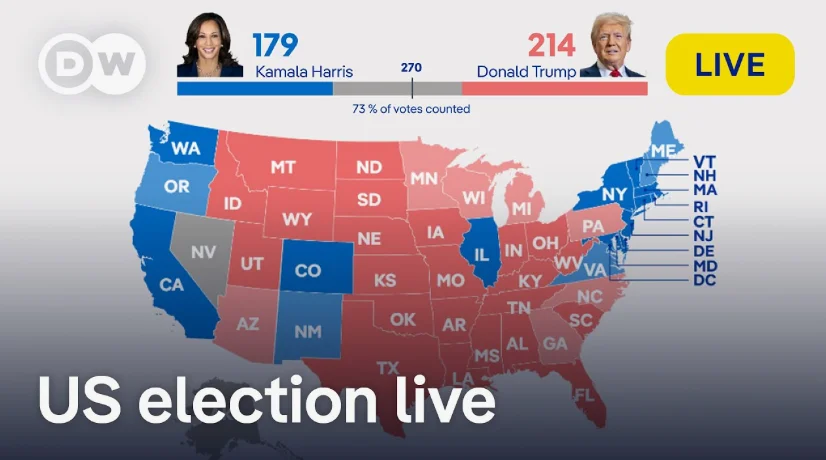
The US presidential election uses the Electoral College system, where each state contributes a set number of electoral votes based on population.
- Total electoral votes: 538
- Majority required: 270
- State results influence national outcome
Understanding this system helps voters grasp why campaigning focuses on certain regions.
Debates and Media Coverage
Televised debates between leading candidates give voters direct insight into policy positions. Media outlets, including major networks and online platforms, analyze performances and issue impacts, shaping public perception.
Debates typically cover
- Economic plans
- Healthcare policy
- Foreign affairs
- Social and cultural issues
Strong debate performances can shift momentum in campaigns.
Campaign Strategies and Voter Engagement
Modern political campaigns use a mix of digital and ground strategies to reach voters. Strategies include
- Social media outreach
- Targeted advertising
- Grassroots mobilization
- Virtual town halls
- Email and text campaigns
Campaigns also focus on specific demographic groups, including young voters, suburban communities, and minority populations.
Influence of Social Media and Digital Platforms
Digital platforms such as Facebook, Twitter, and YouTube play a central role in spreading campaign messages. Social media analytics help campaigns tailor content and track engagement.
However, digital spaces also raise concerns about misinformation, requiring careful fact‑checking by news organizations and voters alike.
Voter Registration and Participation Rates
Voter registration deadlines and participation efforts significantly affect turnout. Different states manage registration in different ways, including
- Online registration
- Same‑day registration
- Mail‑in voting programs
- Early voting options
Efforts to expand access often form key parts of campaign platforms.
Campaign Financing and Fundraising
Campaign finance shapes how candidates compete. Funding sources include
- Individual donations
- Political action committees (PACs)
- Candidate self‑funding
- Large donor contributions
Campaign finance laws require transparency and reporting for contributions above certain thresholds.
Impact of Supreme Court and Judicial Rulings
Judicial decisions leading up to the election can influence key issues. Cases involving voting rights, campaign finance, and civil liberties often appear in national headlines, impacting public opinion and legal frameworks.
Opinion Polls vs Election Outcomes
Historical elections show that polls may not always predict final outcomes. Factors such as undecided voters, late campaign events, and turnout variability contribute to discrepancies between poll projections and results.
Table: Poll Comparison Snapshot (Sample)
| Candidate | National Poll % | Swing State Average % | Trend |
|---|---|---|---|
| Candidate A | 45% | 47% | Rising |
| Candidate B | 43% | 44% | Stable |
| Candidate C | 8% | 7% | Slight Dip |
| Undecided | 4% | 2% | Decreasing |
This example shows how national and swing state support may differ, influencing campaign focus.
Predictions and Expert Insights
Political analysts often weigh in on trends and election trajectories. These insights consider
- Demographic shifts
- Economic performance
- Campaign messaging effectiveness
- Recent polling behavior
Experts caution that predictions remain fluid until closer to Election Day.
Importance of Civic Engagement
Civic engagement and informed voting are central to democratic participation. Voters benefit from understanding candidate platforms, issue positions, and how government policies affect everyday life.
Civic engagement includes
- Registering to vote early
- Researching candidate platforms
- Participating in local events
- Encouraging community discussion
Election Security and Integrity Measures
Election security and integrity are key priorities, involving safeguards such as
- Secure voting machines
- Transparent vote tabulation
- State and federal oversight
- Cybersecurity protections
These measures help ensure voter confidence in election results.
Post‑Election Transition Process
After Election Day, the transition period begins, allowing the incoming president to prepare for governance. This process includes
- Cabinet appointments
- Policy planning
- Briefings from current administration
- Legislative agenda setting
Smooth transitions promote governmental continuity.
Frequently Asked Questions
What are the key battleground states to watch in 2026
Swing states such as Pennsylvania, Michigan, Wisconsin, Arizona, Georgia, and North Carolina often determine election outcomes due to close margins and diverse electorates.
How does the Electoral College work
Each state has electoral votes based on population. Candidates must secure a majority of at least 270 out of 538 total to win the presidency.
When are the 2026 primaries and caucuses
Primary and caucus dates vary by state and party, typically starting early in the year and continuing through the spring months ahead of national conventions.
Can third party candidates influence the 2026 election
Yes. Independent and third party candidates can influence debates, voter turnout, and occasionally draw votes in close races.
What role does social media play in modern campaigns
Social media platforms shape campaign messaging, voter engagement, and political discourse but also require careful monitoring to prevent misinformation spread.
How can voters register and participate
Voters should check state registration deadlines, use available online or mail‑in registration options, and participate in early or Election Day voting.
Why do polls sometimes differ from election results
Polls reflect specific samples at a point in time and may not accurately capture late shifts in voter sentiment or turnout patterns.
What factors most influence voter decisions
Economic prospects, healthcare, national security, social policy, and candidate credibility often influence voter choices.
How important is campaign financing
Campaign finances determine reach, advertising strength, and operational capacity, influencing how effectively candidates deliver messages to voters.
What should voters research about candidates
Voters should review policy stances, past records, debate performance, and issue alignment to make informed decisions.
Conclusion
The US Presidential Election 2026 represents a defining moment shaped by evolving political landscapes, voter priorities, and national challenges. Staying informed on candidates, polling trends, key issues, and election mechanics empowers voters to participate confidently in the democratic process.
As the campaign unfolds, continuing to track updates, analyze expert insights, and engage meaningfully with civic processes will help voters navigate one of the most consequential elections in contemporary history.