Beginner’s Guide to Marketing Automation Strategy
Are you spending too much time sending emails, following up with leads, and manually managing your marketing campaigns? Do you feel like you’re missing opportunities because you can’t respond to every prospect at the right time? If that sounds familiar, marketing automation could completely transform how you grow your business.
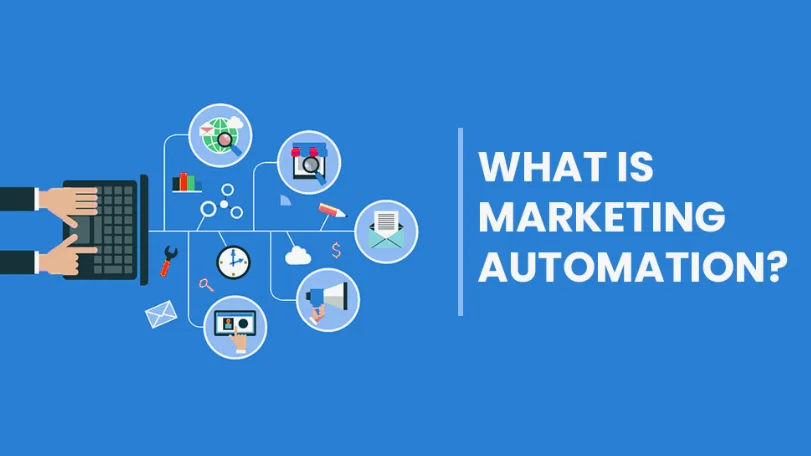
Marketing automation is the process of using software platforms like HubSpot, Mailchimp, ActiveCampaign, Salesforce Marketing Cloud, or Marketo to automate repetitive marketing tasks such as email campaigns, lead nurturing, social media scheduling, customer segmentation, and CRM updates.
Instead of manually sending messages or tracking prospects in spreadsheets, automation tools use workflows, triggers, and behavioral data to deliver personalized communication at scale. As a beginner, you don’t need technical expertise to start; you need clarity, strategy, and the right setup.
What Marketing Automation Really Means for You
When you hear “automation,” you might think of complex systems or enterprise-level companies. In reality, marketing automation is simply about creating systems that work for you 24/7. It ensures that when someone downloads your eBook, signs up for your newsletter, visits your pricing page, or abandons their cart, they receive relevant communication automatically.
For example, imagine a potential customer visits your website at midnight. You’re asleep, but your automation system sends a welcome email, tracks their behavior, assigns them a lead score, and moves them into a nurturing campaign. That’s the power of automation—timely, data-driven engagement without manual effort.
At its core, marketing automation combines CRM (Customer Relationship Management), email marketing, behavioral tracking, analytics, and workflow automation to create a seamless customer journey.
Why Marketing Automation Matters in Digital Marketing
Digital marketing today is competitive. Consumers expect personalized experiences. Generic mass emails and random follow-ups no longer work. Platforms like Google, Facebook, Instagram, LinkedIn, and TikTok generate traffic but converting that traffic into paying customers requires consistent nurturing.
Marketing automation improves:
- Lead generation through optimized landing pages
- Customer engagement with personalized messaging
- Conversion rates using targeted follow-ups
- Customer retention via post-purchase sequences
- Marketing ROI through data-driven optimization
Without automation, you risk losing leads simply because you couldn’t respond quickly or consistently enough.
Core Components of Marketing Automation Systems
To fully understand how marketing automation works, you need to understand its essential components.
First is email automation. Email marketing remains one of the highest ROI channels in digital marketing. Automated email sequences include welcome series, onboarding emails, abandoned cart reminders, promotional campaigns, and re-engagement sequences. These emails are triggered by user behavior rather than sent manually.
Second is CRM integration. A CRM like Salesforce, HubSpot CRM, Zoho CRM, or Pipedrive stores customer data, including contact information, interaction history, and sales pipeline status. When integrated with automation software, your CRM updates automatically based on user activity.
Third is segmentation. Not all leads are equal. Segmentation allows you to group contacts based on demographics, interests, behavior, purchase history, or engagement level. This ensures personalized marketing communication.
Fourth is lead scoring. Lead scoring assigns numerical values to actions such as email opens, link clicks, webinar registrations, or pricing page visits. When a lead reaches a certain score, they become “sales-qualified,” and your sales team can prioritize them.
Fifth is analytics and reporting. Marketing automation platforms provide dashboards showing open rates, click-through rates, bounce rates, conversion rates, and customer acquisition cost (CAC). These insights help optimize performance.
How Marketing Automation Works Step by Step
Understanding the process removes confusion. Here’s how automation typically works in a beginner-friendly way.
- First, you attract traffic through SEO, content marketing, paid ads, or social media.
- Second, visitors land on a landing page with a form offering a lead magnet such as a PDF, webinar, or discount.
- Third, when they submit their details, the information enters your CRM automatically.
- Fourth, a trigger activates a workflow.
- Fifth, the system sends automated emails, updates lead scores, and tracks engagement.
- Sixth, if the lead becomes highly engaged, the system notifies your sales team.
All of this runs continuously once configured.
Popular Marketing Automation Tools for Beginners
Choosing the right platform is important. As a beginner, you don’t need enterprise-level complexity. You need user-friendly software with automation capabilities.
| Platform | Best For | Key Features | Pricing Model |
|---|---|---|---|
| Mailchimp | Small businesses & startups | Email automation, segmentation, landing pages | Free & Paid tiers |
| HubSpot | All-in-one marketing & CRM | CRM, workflows, analytics, lead scoring | Free + Premium plans |
| ActiveCampaign | Advanced email automation | Behavioral triggers, CRM integration, SMS | Paid plans |
| GetResponse | Ecommerce & creators | Funnels, email sequences, webinars | Paid plans |
| Marketo | Enterprise companies | Advanced analytics, AI-driven automation | Premium pricing |
If you are just starting, Mailchimp or HubSpot Free CRM is often enough to build your first automation funnel.
Benefits of Marketing Automation for Small Businesses
If you’re running a small business, startup, ecommerce store, or agency, automation offers powerful advantages.
- It saves time by handling repetitive tasks.
- It reduces human error in follow-ups.
- It increases scalability without increasing staff.
- It improves customer experience through personalization.
- It strengthens lead nurturing and conversion optimization.
For example, abandoned cart emails alone can recover 10–20% of lost sales in ecommerce. That’s revenue you might otherwise miss.
Common Marketing Automation Workflows You Should Start With
As a beginner, focus on simple workflows before building complex funnels.
- A welcome email series introduces your brand and builds trust.
- A lead magnet delivery workflow sends a free resource instantly after signup.
- An abandoned cart workflow reminds users about incomplete purchases.
- A re-engagement campaign reconnects inactive subscribers.
- A post-purchase sequence encourages reviews and repeat purchases.
Starting with these basic automation workflows ensures measurable impact.
Marketing Automation and the Customer Journey
Every customer goes through stages: awareness, consideration, and decision. Marketing automation supports each stage.
- In the awareness stage, automated educational emails provide value.
- In the consideration stage, case studies and testimonials build credibility.
- In the decision stage, personalized offers and follow-ups encourage conversion.
Automation ensures smooth transitions between stages without manual intervention.
Measuring Success in Marketing Automation
You cannot improve what you do not measure. Key performance indicators (KPIs) include open rate, click-through rate (CTR), conversion rate, customer lifetime value (CLV), and return on investment (ROI).
A healthy open rate ranges between 20–30 percent depending on industry. Conversion rates vary, but continuous testing improves performance. A/B testing subject lines, email copy, and call-to-action buttons can significantly enhance engagement. Marketing automation is not “set it and forget it.” It requires monitoring and optimization.
Common Mistakes Beginners Make
Many beginners overcomplicate automation from the start. Avoid building complex workflows before mastering basics. Start small. Another mistake is poor segmentation. Sending the same message to everyone reduces personalization and engagement. Some businesses ignore analytics, missing opportunities for optimization. Over-automation can also frustrate users. Sending too many emails decreases trust and increases unsubscribe rates. Focus on value, relevance, and timing.
Marketing Automation and Artificial Intelligence
AI is reshaping marketing automation. Tools like Salesforce Einstein and HubSpot AI use predictive analytics to forecast customer behavior. AI can recommend optimal send times, personalize subject lines, predict churn risk, and analyze customer intent.
Chatbots powered by AI also provide instant responses on websites, improving user experience and lead capture. As automation evolves, AI-driven personalization will become even more critical.
Marketing Automation vs Email Marketing
Email marketing is a component of marketing automation. Automation includes email but also extends to SMS campaigns, push notifications, CRM workflows, social media scheduling, and behavioral tracking. Email marketing sends campaigns manually or on schedule. Marketing automation builds intelligent systems based on triggers and customer actions. Understanding this distinction helps you implement broader strategies.
Is Marketing Automation Worth the Investment
Many beginners worry about cost. Fortunately, most platforms offer scalable pricing and free trials. When implemented properly, marketing automation reduces labor costs and increases revenue, often delivering strong ROI.
Even simple automation can dramatically improve efficiency and conversion rates. The return typically outweighs the investment when strategy and execution align.
Frequently Asked Questions About Marketing Automation
Q: What is marketing automation in simple terms?
A: Marketing automation is software that automatically manages marketing tasks like sending emails, tracking leads, and nurturing prospects based on behavior.
Q: Is marketing automation only for large companies?
A: No. Small businesses and startups benefit greatly because automation saves time and increases efficiency.
Q: How long does it take to set up marketing automation?
A: Basic workflows can be set up within a few hours. Advanced systems may take several weeks.
Q: Do I need coding skills for marketing automation?
A: No. Most modern platforms offer drag-and-drop builders and templates.
Q: Can marketing automation increase sales?
A: Yes. Automated lead nurturing, segmentation, and personalized follow-ups significantly improve conversion rates.
Q: What is the difference between CRM and marketing automation?
A: CRM stores customer data. Marketing automation uses that data to trigger campaigns and workflows.
Q: Is marketing automation difficult to maintain?
A: With regular monitoring and optimization, maintenance is manageable and highly beneficial.
Q: How do I choose the best marketing automation tool?
A: Choose based on your business size, budget, integration needs, and required features such as CRM, email marketing, and analytics.
Final Thoughts on Getting Started
Marketing automation is not about replacing human connection. It’s about enhancing it with intelligent systems that deliver timely, personalized communication. As a beginner, your goal should not be perfection. Your goal should be progress. Start with one workflow. Build one email sequence. Track results. Optimize. Expand gradually.
When implemented strategically, marketing automation becomes your silent growth engine—working behind the scenes while you focus on scaling your brand, building relationships, and increasing revenue. Now that you understand how it works, the real question is: are you ready to let automation handle the repetitive tasks so you can focus on growing your business smarter and faster?