
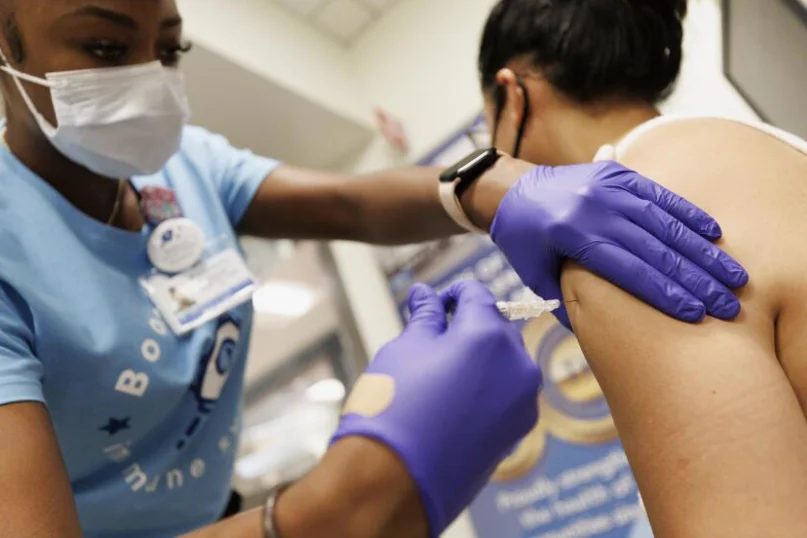
Latest COVID-19 Vaccine Updates February 2026 Explained
Are you wondering whether you still need a COVID booster in 2026? Are new variants making vaccines less effective or more important than ever? If these questions are on your mind, you are not alone. February 2026 brought major global developments in COVID-19 vaccines, updated booster strategies, new combined vaccines and evolving public health recommendations designed to keep people protected in a post-pandemic world.
This complete guide explains everything in simple wording so you clearly understand what is happening, what health experts recommend and what it means for you and your family.
Global COVID-19 Situation in Early 2026
By 2026, COVID-19 is no longer classified as an emergency in most countries, but it remains an active respiratory disease monitored worldwide.
Health organizations including the World Health Organization continue global surveillance because the virus keeps evolving into new variants.
Key global realities in February 2026
1 COVID-19 behaves more like seasonal respiratory illness
2 Hospitalizations still rise among elderly and vulnerable groups
3 Vaccination remains the strongest protection against severe illness
4 Governments shifted toward annual or risk-based vaccination strategies
Experts emphasize that immunity naturally declines over time, which is why updated vaccines remain necessary.
Updated COVID-19 Vaccines for the 2025–2026 Season
Health agencies such as the Centers for Disease Control and Prevention recommend updated COVID-19 vaccines for everyone aged six months and older through shared decision making with healthcare providers.
Why Vaccines Are Updated Every Year
COVID vaccines now work similarly to flu vaccines.
1 The virus mutates frequently
2 New variants partially escape older immunity
3 Updated formulas better match circulating strains
The 2025–2026 vaccines specifically target newer Omicron sublineages such as LP.8.1 and JN.1 to improve protection.
How Effective Are the Latest Vaccines
Research shows updated boosters provide strong protection.
1 80 to 95 percent neutralization against recent variants
2 Around 84 percent reduction in hospitalization among older adults
3 Improved antibody response compared to older boosters
This means vaccines are still doing their most important job: preventing severe disease and death.
Major Vaccine Breakthrough February 2026
One of the biggest headlines of February 2026 is the approval recommendation of the first combined COVID and flu vaccine.
Combined COVID and Flu Vaccine Innovation
The European Medicines Agency recommended approval of a new dual-protection vaccine called mCombriax for adults aged 50 and older.
What makes this important
1 One injection protects against COVID-19 and influenza
2 Uses modern mRNA technology
3 Designed for annual respiratory protection
4 Strong immune response seen in clinical trials
This signals a major shift toward simplified seasonal vaccination programs.
COVID-19 Variants Circulating in 2026
Variants continue to shape vaccine policy worldwide.
Dominant Variant Families
1 JN.1 lineage variants
2 KP.2 subvariants
3 Other Omicron descendants
Scientists monitor variants through genomic surveillance programs to update vaccines when necessary.
Symptoms in 2026
Compared with early pandemic years, symptoms now commonly include
1 Mild fever
2 Fatigue
3 Sore throat
4 Nasal congestion
5 Short cough
Severe lung complications occur mostly in high-risk individuals rather than healthy vaccinated adults.
Who Needs a COVID Booster in 2026
Health experts now recommend targeted booster strategies instead of universal repeated dosing.
Priority Groups
1 Adults aged 65 and older
2 Immunocompromised individuals
3 Pregnant women after medical advice
4 Healthcare workers
5 People with chronic conditions
Boosters help restore protection as immunity fades over time.
Personalized Vaccination Approach
Modern policy focuses on individual risk assessment instead of one rule for everyone.
Vaccine Technology Evolution
COVID-19 accelerated vaccine innovation faster than any period in medical history.
mRNA Technology Advances
Companies like Moderna and Pfizer continue refining mRNA platforms.
Benefits include
1 Faster vaccine updates
2 Strong immune activation
3 Rapid manufacturing during outbreaks
Next Generation Vaccines in Development
Researchers are testing new solutions
1 Self-amplifying mRNA vaccines
2 Universal coronavirus vaccines
3 Intranasal vaccines blocking infection at entry points
Clinical trials reported new progress in early 2026 research programs.
Vaccine Safety Updates February 2026
Safety monitoring remains continuous worldwide.
Key findings
1 Serious side effects remain extremely rare
2 Most reactions are mild such as soreness or fatigue
3 Benefits significantly outweigh risks
Long-term monitoring confirms vaccines dramatically reduced global deaths and hospitalizations.
Global Vaccine Policies and Changes
Different countries now follow localized vaccination strategies.
United States
Policy discussions focus on narrowing booster recommendations to high-risk groups while maintaining access.
Europe
Europe prioritizes combined vaccines and seasonal respiratory protection models.
Asia and Global Programs
Many regions continue offering free boosters for eligible populations to maintain protection.
Public Confidence and Vaccine Hesitancy
A major 2026 study showed vaccine hesitancy often comes from information gaps rather than strong opposition.
Transparent communication significantly improves vaccine acceptance.
Practical ways governments improved trust
1 Clear safety data sharing
2 Community outreach programs
3 Local healthcare education
Real World Vaccine Performance
Updated vaccines continue showing strong real-world results.
Hospital Protection
Studies demonstrate
1 Reduced ICU admissions
2 Lower mortality rates
3 Less severe symptoms in vaccinated individuals
Vaccination combined with prior infection creates hybrid immunity, offering broader protection.
COVID-19 and Seasonal Respiratory Illness Strategy
Health experts now treat COVID alongside flu and RSV.
Future healthcare model
1 Annual respiratory vaccine season
2 Combined vaccinations
3 Risk-based boosters
4 Integrated disease surveillance
The pandemic transformed long-term public health planning worldwide.
Table: Key COVID-19 Vaccine Updates February 2026
| Category | February 2026 Update | What It Means For You |
|---|---|---|
| Vaccine Type | Variant-adapted boosters | Better protection against new strains |
| New Innovation | Combined COVID + Flu vaccine | One yearly shot possible |
| Booster Strategy | Risk based recommendations | Personalized vaccination |
| Variant Focus | JN.1 and KP.2 lineages | Updated immunity |
| Effectiveness | Up to 95% neutralization | Strong severe disease prevention |
| Future Direction | Universal vaccines in trials | Long term pandemic control |
Future of COVID-19 Vaccination
The world is transitioning from emergency response to sustainable prevention.
Expected developments
1 Annual vaccination similar to flu shots
2 Universal coronavirus vaccines
3 Needle-free nasal vaccines
4 Faster outbreak response systems
Experts believe future pandemics will be handled faster because of lessons learned from COVID-19.
What You Should Do in 2026
Here is a simple action plan
1 Check your last vaccine date
2 Discuss booster timing with a healthcare provider
3 Stay updated with local health guidance
4 Protect high-risk family members
5 Follow hygiene practices during respiratory seasons
Vaccination remains the easiest way to reduce severe illness risk.
Frequently Asked Questions
1 Do people still need COVID vaccines in 2026
Yes. COVID-19 continues circulating globally. Updated vaccines protect against severe illness, especially for older adults, immunocompromised people, and those with chronic diseases. Vaccination now works as ongoing prevention rather than emergency protection.
2 Are COVID boosters required every year
Many experts expect COVID vaccines to become seasonal like flu shots. High-risk individuals may need yearly boosters, while healthy younger adults may follow personalized schedules based on exposure risk.
3 Are new variants dangerous in 2026
Most current variants cause milder illness compared to early pandemic waves, but they still pose serious risk to vulnerable populations. Vaccination significantly lowers hospitalization and death rates.
4 Is the combined COVID and flu vaccine safe
Clinical studies show strong immune responses and safety comparable to existing vaccines. Regulatory approval processes ensure strict testing before public rollout begins.
5 Can vaccinated people still get COVID
Yes, breakthrough infections can happen, but vaccines greatly reduce severity, hospitalization, and complications. Protection focuses on preventing serious outcomes rather than blocking every infection.
6 Are children still recommended to get vaccinated
Health authorities continue recommending vaccination for children aged six months and older, particularly those with medical risks or close contact with vulnerable individuals.
7 What side effects are common in 2026 vaccines
Typical reactions include arm soreness, fatigue, mild fever, and headache lasting one to two days. Serious reactions remain extremely rare based on global safety monitoring systems.
8 Will COVID ever disappear completely
Experts believe COVID-19 will remain endemic, meaning it continues circulating at lower levels. Vaccination, natural immunity, and treatments help keep its impact manageable.
9 Are nasal COVID vaccines coming soon
Yes. Intranasal vaccines are under clinical trials aiming to block infection at the respiratory entry point, potentially reducing transmission more effectively than injections.
10 How effective are updated boosters compared to old ones
Variant-specific boosters provide significantly stronger immune response against current strains, restoring antibody protection that declines months after previous vaccination.
Final Thoughts
February 2026 marks a new phase in the global fight against COVID-19. Instead of emergency lockdowns and crisis responses, the world now focuses on smart vaccination strategies, scientific innovation, and long-term preparedness. Updated boosters, combined vaccines, and next-generation technologies show how far medicine has advanced in only a few years.
For you, the message is simple: stay informed, follow updated vaccine guidance, and treat COVID protection as part of normal health care. Vaccines remain one of the most powerful tools ever developed to protect individuals, families, and communities worldwide.