How AI Is Transforming Interior Design in 2026 Today
Have you ever wondered how designers now create stunning interiors faster than ever before? Or maybe you want to redesign your home but feel overwhelmed by layout decisions, furniture choices, and budgeting mistakes?
In 2026, Artificial Intelligence (AI) is completely transforming interior design. What once required expensive designers, complex software, and weeks of planning can now be achieved using intelligent tools that analyze spaces, suggest layouts, and generate realistic designs instantly. AI is no longer just assisting designers; it is redefining how homes, offices, and commercial spaces are imagined, planned, and experienced.
This comprehensive guide explains how AI is reshaping interior design, the technologies behind it, real-world applications, benefits for homeowners and professionals, and what the future of smart interiors looks like.
The Evolution of Interior Design Before AI
Interior design traditionally depended on manual expertise.
Designers relied on:
- Sketches and mood boards
- Physical measurements
- Trial-and-error furniture placement
- Client imagination instead of visualization
Software like AutoCAD and SketchUp improved workflows but still required professional training.
AI changed the industry by introducing automation, predictive design, and intelligent visualization accessible to everyone.
What AI Means for Interior Design in 2026
Artificial intelligence in interior design refers to systems that learn design patterns, spatial behavior, and user preferences to generate optimized spaces automatically.
These systems combine:
- Machine Learning
- Computer Vision
- Generative Design
- Spatial Analytics
- Real-time Rendering
Organizations like OpenAI and hardware innovators such as NVIDIA have accelerated realistic AI visualization and generative creativity.
AI now acts as:
- Designer assistant
- Space analyst
- Style advisor
- Budget planner
- Visualization engine
Key Technologies Powering AI Interior Design
Computer Vision
AI analyzes room photos to detect walls, windows, furniture, lighting conditions, and dimensions automatically.
Generative AI Design Models
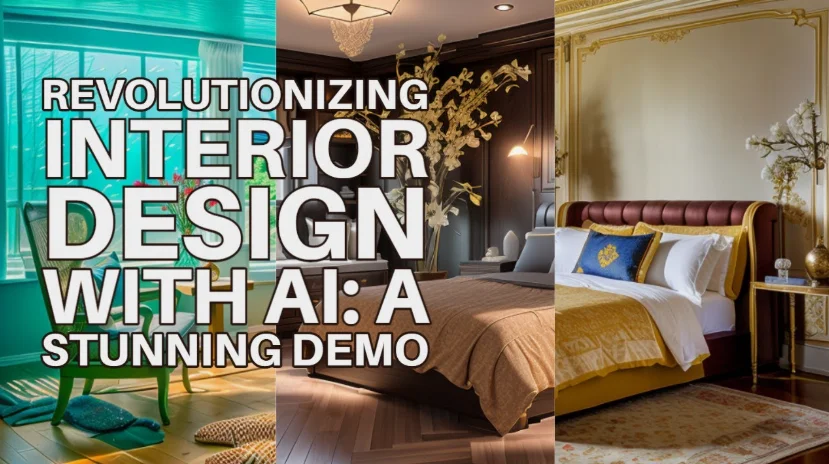
AI creates multiple design variations based on style prompts like modern, Scandinavian, luxury, or minimalist.
Predictive Design Algorithms
Systems learn user preferences and recommend layouts suited to lifestyle habits.
Real-Time 3D Rendering
Advanced GPUs allow instant visualization with realistic shadows, materials, and lighting.
Augmented Reality (AR) Integration
Users can preview furniture placement using mobile devices before purchasing.
How AI Is Changing the Interior Design Workflow
Traditional Workflow
- Consultation
- Manual drafting
- Revisions
- Visualization
- Implementation
AI-Powered Workflow in 2026
- Upload room photo
- AI analyzes space
- Generate design concepts instantly
- Modify layout interactively
- Export ready-to-build plan
This dramatically reduces project timelines.
Major Ways AI Is Transforming Interior Design
Smart Space Planning
AI evaluates:
- Traffic flow
- Furniture proportions
- Functional zones
Tools like Planner 5D automatically optimize layouts for comfort and usability.
You no longer guess where furniture should go; AI calculates it.
Personalized Interior Styling
AI studies your preferences, color choices, and lifestyle habits.
Platforms such as Homestyler generate designs tailored specifically to you rather than generic templates.
Your home becomes data-driven yet personal.
Instant Room Visualization
Previously, clients struggled to imagine final results.
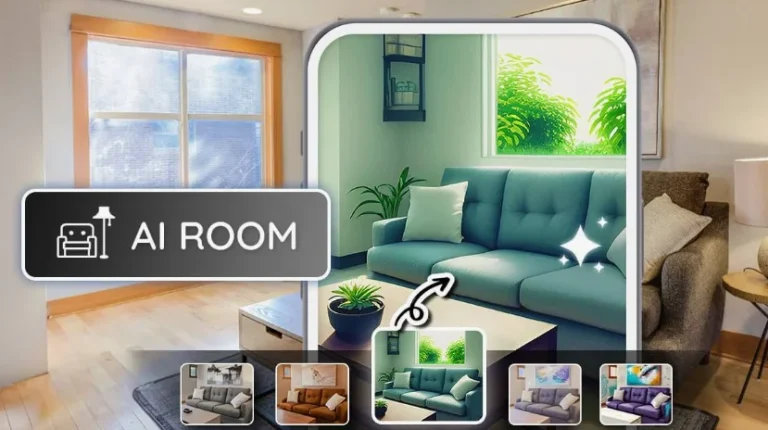
AI tools like RoomGPT create instant visual redesigns from a single image.
This improves decision-making and reduces renovation anxiety.
Furniture Selection Automation
AI recommends furniture based on:
- Room size
- Budget
- Style compatibility
- Ergonomic comfort
Retailers like IKEA integrate AI visualization tools to preview products inside real spaces before purchase.
Budget Optimization and Cost Prediction
AI analyzes materials and suggests alternatives that maintain aesthetics while reducing costs.
Homeowners avoid overspending while maintaining design quality.
Sustainable and Eco-Friendly Design
AI helps designers choose:
- Energy-efficient lighting
- Sustainable materials
- Optimal natural light usage
Environmental analytics align design with sustainability goals.
AI Interior Design Benefits for Homeowners
Faster Design Decisions
You can test multiple ideas instantly.
Reduced Design Costs
Many AI tools eliminate expensive consultation fees.
Greater Confidence
Visualization removes uncertainty before renovation.
DIY Interior Design Accessibility
Anyone can design like a professional.
Improved Space Functionality
AI optimizes layout efficiency automatically.
Benefits for Professional Interior Designers
AI does not replace designer; it enhances them.
Professionals now use AI to:
- Generate concept drafts faster
- Present immersive client experiences
- Automate repetitive tasks
- Focus on creativity and client relationships
Designers become strategic creators rather than manual planners.
AI Interior Design Applications Across Industries
Residential Homes
Personalized living environments.
Real Estate Staging
Virtual staging increases property appeal without physical furniture.
Hospitality Industry
Hotels use AI to design guest experiences and optimize room comfort.
Commercial Offices
Workspaces optimized for productivity and collaboration.
Retail Spaces
AI analyzes customer movement to design better store layouts.
AI Interior Design Transformation Table
| Design Aspect | Traditional Approach | AI-Driven Approach | Result |
|---|---|---|---|
| Layout Planning | Manual measurement | Automated analysis | Faster planning |
| Visualization | Static drawings | Real-time 3D rendering | Better decisions |
| Styling | Designer intuition | Data-driven personalization | Unique interiors |
| Budgeting | Estimates | Predictive cost analysis | Cost efficiency |
| Furniture Selection | Trial & error | AI recommendations | Perfect fit |
AI and Smart Home Integration
Interior design in 2026 is closely linked with smart home ecosystems.
AI integrates interiors with systems like:
- Google Nest
- Amazon Alexa
- Apple HomeKit
Design now considers:
- Sensor placement
- Lighting automation
- Voice-controlled environments
- Energy optimization
Your home becomes both beautiful and intelligent.
AI-Generated Interior Styles Trending in 2026
Minimalist Smart Living
Clean layouts supported by automation.
Biophilic Design
Nature-inspired interiors promoting wellness.
Adaptive Multi-Functional Spaces
Rooms changing function throughout the day.
AI-Personalized Luxury
Design tailored uniquely to individual lifestyles.
Sustainable Modern Design
Eco-conscious materials guided by AI recommendations.
Challenges and Limitations of AI in Interior Design
Creativity Dependence
AI learns from existing designs; human originality remains essential.
Data Accuracy Issues
Incorrect room measurements can affect results.
Over-Automation Risks
Spaces may feel less personal if users rely entirely on AI suggestions.
Learning Curve
Some advanced tools still require exploration.
Despite limitations, AI continues improving rapidly.
How You Can Use AI for Your Own Interior Design
Step 1: Capture Your Room
Take clear photos or measure your space.
Step 2: Choose an AI Design Tool
Select platforms suited to beginners or professionals.
Step 3: Select Style Preferences
Tell AI your desired aesthetic.
Step 4: Generate Design Concepts
Review multiple options.
Step 5: Customize and Finalize
Blend AI suggestions with personal taste.
The Role of Generative AI in Design Creativity
Generative AI introduces an entirely new creative process.
Instead of designing one idea at a time, AI produces dozens of possibilities instantly. Designers become curators of ideas rather than creators limited by time.
This shift mirrors how digital photography transformed traditional photography; expanding creativity rather than replacing it.
The Future of Interior Design Beyond 2026
The next phase of AI interior design may include:
- Fully autonomous AI interior designers
- Real-time holographic room visualization
- Emotion-aware environments adjusting lighting and color
- AI predicting lifestyle changes and adapting spaces automatically
- Virtual reality home planning experiences
Interior spaces will evolve dynamically alongside human needs.
Frequently Asked Questions (FAQs)
Will AI replace interior designers?
No. AI enhances efficiency but human creativity, emotion, and cultural understanding remain irreplaceable.
Are AI interior design tools accurate?
Yes, especially when correct measurements and quality images are used.
Can beginners design homes using AI?
Absolutely. Most tools are built for non-professionals.
Is AI interior design expensive?
Many tools offer free or low-cost versions compared to traditional design services.
Can AI help small apartments?
AI excels at optimizing small spaces through intelligent layout analysis.
Is AI interior design sustainable?
Yes. AI helps reduce waste by planning purchases and energy-efficient layouts before implementation.
Final Thoughts
In 2026, AI is no longer a futuristic concept in interior design; it is the foundation of modern space creation. From intelligent layouts and personalized styling to smart home integration and sustainable planning, artificial intelligence is redefining how interiors are imagined and built.
For you as a homeowner, creator, or designer, AI removes complexity and unlocks creativity. You can visualize ideas instantly, avoid costly mistakes, and design spaces perfectly aligned with your lifestyle.
The future of interior design belongs to those who combine human imagination with AI intelligence. When you embrace these tools, designing your ideal space becomes faster, smarter, and more exciting than ever before.