Digital Ecosystem Explained: Meaning, Types & Benefits
Have you ever wondered how platforms like Google or Amazon connect so many services seamlessly? Or are you trying to understand how multiple tools, apps and users work together in one system? If yes, then you’re about to understand one of the most powerful concepts in today’s digital world: the digital ecosystem.
In this guide, I’ll explain everything in a simple, practical, and beginner-friendly way, so you can not only understand it but also use it for your own websites and online business.
What is a Digital Ecosystem?
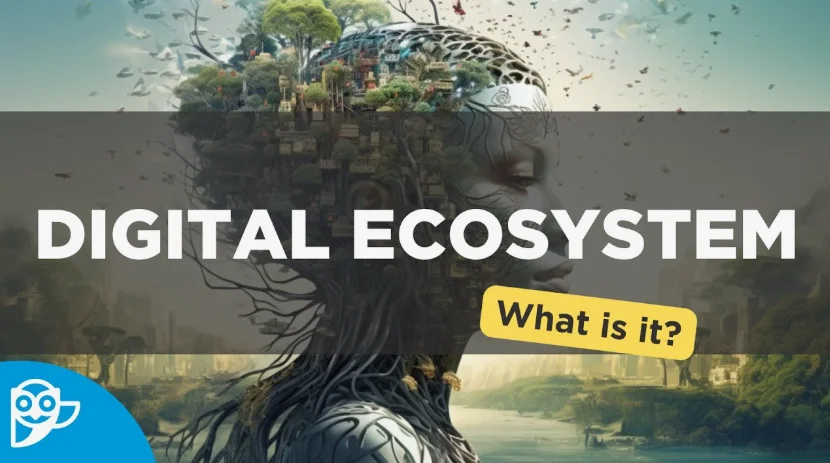
A digital ecosystem is a network of interconnected digital tools, platforms, technologies, and users that work together to deliver value. Instead of working as separate systems, everything is connected and communicates with each other.
Simple definition:
A digital ecosystem is a connected environment where multiple digital components interact and function as one system.
Real-World Examples of Digital Ecosystems
To understand better, let’s look at real-world examples:
- Google ecosystem:
- Gmail
- Google Drive
- YouTube
- Google Ads
- Amazon ecosystem:
- E-commerce store
- AWS (cloud services)
- Prime membership
- Apple ecosystem:
- iPhone
- MacBook
- iCloud
- App Store
All these services are connected and enhance user experience.
Why Digital Ecosystems Matter Today
In today’s online world, users expect:
- Seamless experiences
- Fast access to services
- Integration across platforms
A digital ecosystem helps businesses:
- Deliver better services
- Retain users
- Scale efficiently
Without an ecosystem, everything becomes fragmented and inefficient.
Key Components of a Digital Ecosystem
Let’s break down what actually makes a digital ecosystem:
1. Platforms
These are the core systems where users interact.
Examples:
- Websites
- Apps
- Marketplaces
2. Users
Users are the most important part:
- Customers
- Businesses
- Developers
Without users, the ecosystem has no value.
3. Data
Data flows across the ecosystem:
- User behavior
- Transactions
- Analytics
This data helps improve personalization and performance.
4. Technology Infrastructure
Includes:
- Cloud computing
- APIs
- Databases
Example:
- Microsoft Azure
- Amazon Web Services
5. Integrations
Connections between tools:
- Payment gateways
- Email systems
- CRMs
👉 This is what makes everything “connected.”
How a Digital Ecosystem Works
Let’s simplify how it actually works:
Step-by-step flow:
- User interacts with a platform
- Data is collected
- System processes the data
- Other tools respond automatically
- User gets a seamless experience
Example:
You visit a website:
- You sign up
- You receive an email
- Your data is stored in CRM
- Ads start showing based on behavior
All of this is part of a digital ecosystem working together.
Types of Digital Ecosystems
There are different types depending on purpose:
1. Business Ecosystem
Focus: Collaboration between companies
Example:
- Suppliers + partners + customers
2. Platform Ecosystem
Focus: One platform with multiple services
Example:
3. Industry Ecosystem
Focus: Entire industry connected digitally
Example:
- Fintech
- Healthcare systems
4. Innovation Ecosystem
Focus: Development and innovation
Includes:
- Startups
- Developers
- Research organizations
Digital Ecosystem vs Traditional System
| Feature | Traditional System | Digital Ecosystem |
|---|---|---|
| Structure | Isolated | Connected |
| Data Flow | Limited | Continuous |
| Scalability | Low | High |
| User Experience | Fragmented | Seamless |
Benefits of a Digital Ecosystem
Let’s talk about why this matters for YOU:
1. Better User Experience
Everything works smoothly together.
2. Increased Efficiency
Automation reduces manual work.
3. Scalability
You can grow without rebuilding systems.
4. Data-Driven Decisions
Better insights from connected data.
5. Competitive Advantage
Businesses with ecosystems grow faster.
Challenges of Digital Ecosystems
Not everything is perfect:
1. Complexity
Managing multiple systems can be difficult.
2. Security Risks
More connections = more vulnerabilities.
3. Integration Issues
Tools may not always work smoothly together.
4. High Initial Setup
Building an ecosystem takes time and planning.
How to Build a Digital Ecosystem (Beginner Guide)
Now let’s make this practical for you.
Step 1: Define Your Goal
Ask:
- What do I want to achieve?
- Content platform? Tools website? Business system?
Step 2: Choose Core Platform
Example:
- WordPress website (perfect for you)
Step 3: Add Essential Tools
- Email marketing
- CRM
- Analytics
- Automation
Step 4: Integrate Everything
Use tools like:
- Zapier
Step 5: Optimize User Experience
- Fast loading
- Mobile-friendly
- Easy navigation
Step 6: Scale Gradually
Add:
- More tools
- More automation
- More features
Digital Ecosystem Example (Table)
| Component | Tool/Example | Role |
|---|---|---|
| Website | WordPress | Core platform |
| Mailchimp | Communication | |
| CRM | HubSpot | User management |
| Automation | Zapier | Workflow automation |
| Analytics | Google Analytics | Data tracking |
Role of AI in Digital Ecosystems
AI is making ecosystems smarter.
Tools like OpenAI are enabling:
- Automation
- Personalization
- Smart recommendations
Example:
- AI chatbots
- Content generation
- Predictive analytics
Why Digital Ecosystems Are the Future
Big companies are investing heavily in ecosystems:
- Amazon
- Microsoft
Because ecosystems:
- Lock in users
- Increase revenue
- Improve experience
Practical Use for You (Important)
Since you run multiple websites, you can build your own ecosystem:
1. Connect Your Websites
- Tools site
- Content site
- Calculator tools
2. Automate Everything
- Email collection
- Content publishing
- SEO
3. Monetize Smartly
- Ads
- Affiliate marketing
- Digital products
Instead of separate sites, create one connected system.
4. FAQs (Most Searched Questions)
1. What is a digital ecosystem in simple terms?
It is a connected system of digital tools and platforms working together.
2. What is an example of a digital ecosystem?
Google’s ecosystem with Gmail, YouTube, and Drive is a common example.
3. Why are digital ecosystems important?
They improve efficiency, user experience, and scalability.
4. How do businesses use digital ecosystems?
They connect tools, automate workflows, and manage data efficiently.
5. Is a website a digital ecosystem?
A single website is not, but it can be part of one.
6. What is the difference between platform and ecosystem?
A platform is one system; an ecosystem is multiple connected systems.
7. Can small businesses build a digital ecosystem?
Yes, even small websites can create simple ecosystems using tools and integrations.
Final Thoughts
A digital ecosystem is not just a concept: it’s how modern online businesses operate. it helps you:
- Connect everything
- Automate processes
- Grow faster
And the best part? You can start small and build it step by step.