AI-Powered Email Marketing Strategies That Convert
Are you struggling to get consistent opens and clicks on your emails? Do you want to automate your campaigns and deliver personalized messages that actually convert? If yes, then AI-powered email marketing is your solution. Traditional email marketing relies on manual segmentation, generic content, and trial-and-error timing.
With artificial intelligence, you can now predict customer behavior, personalize campaigns, optimize send times, and improve conversion rates; all automatically. In this article, we’ll explore AI-powered email marketing strategies that convert, covering tools, workflows, metrics, best practices, a comparison table, and FAQs to give you a comprehensive roadmap to success via the voozon platform.
What Is AI-Powered Email Marketing?
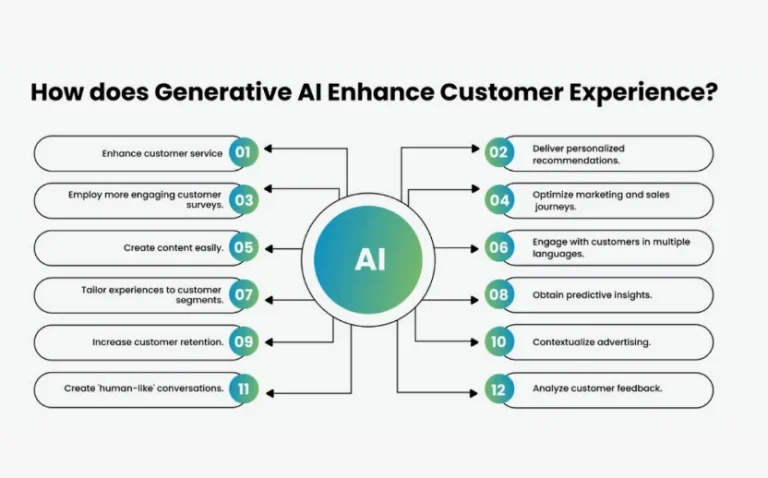
AI-powered email marketing uses machine learning, predictive analytics, and automation to enhance every stage of your email campaigns. Unlike traditional campaigns, AI can:
- Segment audiences automatically based on behavior and demographics
- Predict the optimal send time for each subscriber
- Generate personalized subject lines, content, and product recommendations
- Analyze engagement data to continuously improve performance
The result is smarter campaigns, higher engagement, and better ROI.
Benefits of AI in Email Marketing
- Personalization at Scale – AI generates tailored content for thousands of subscribers without manual effort.
- Predictive Analytics – Forecast customer actions such as opens, clicks, and conversions.
- Automated Segmentation – Group subscribers intelligently based on activity and preferences.
- Optimal Timing – AI identifies the best time to send emails for maximum engagement.
- Enhanced Performance – Data-driven recommendations improve subject lines, messaging, and CTAs.
Step-by-Step AI Email Marketing Strategies
Step 1: Define Your Campaign Goals
Ask yourself:
- Are you aiming for sales, engagement, or retention?
- Do you want to nurture leads or upsell existing customers?
Defining goals helps AI prioritize metrics and optimize campaigns accordingly.
Step 2: Collect and Organize Your Data
AI relies on quality data. Sources include:
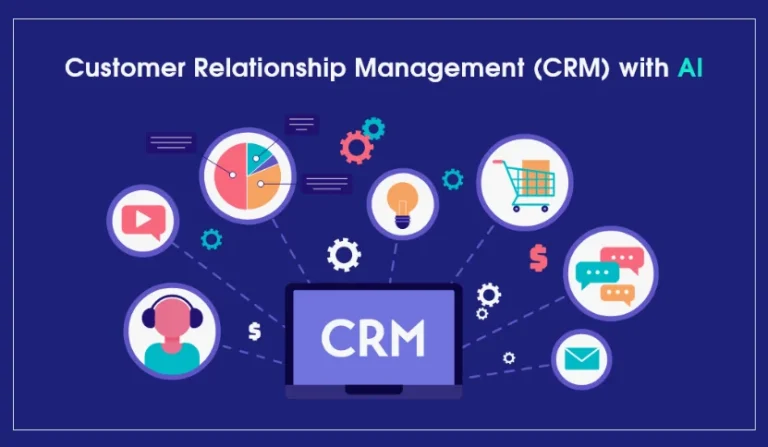
- CRM platforms (HubSpot, Zoho CRM)
- E-commerce platforms (Shopify, WooCommerce)
- Marketing automation tools (ActiveCampaign, Brevo/Sendinblue)
- Website analytics (Google Analytics)
Ensure data is clean and structured to maximize AI effectiveness.
Step 3: Use AI Tools for Email Marketing
| Tool | Primary Use | AI Features | Best For |
|---|---|---|---|
| HubSpot AI Email | Email campaigns & CRM | Predictive subject lines, automated workflows | SMBs & startups |
| ActiveCampaign | Marketing automation | Predictive sending, behavior-based triggers | Multi-channel campaigns |
| Mailchimp | Email marketing | AI content recommendations, send time optimization | Small to medium businesses |
| Brevo (Sendinblue) | Email & SMS | AI for send-time optimization & personalization | Affordable automation |
| Salesforce Marketing Cloud | Enterprise email marketing | Predictive scoring, AI insights | Enterprise B2B |
| Omnisend | E-commerce automation | AI segmentation, cart abandonment workflows | Online stores |
Step 4: Segment Your Audience with AI
AI can segment subscribers based on:
- Behavior (clicks, opens, browsing patterns)
- Demographics (location, age, preferences)
- Purchase history (products viewed, previous purchases)
- Engagement level (active vs inactive users)
Example: High-value customers might receive personalized upsell offers, while dormant leads get re-engagement campaigns.
Step 5: Personalize Email Content
AI can generate:
- Subject lines that maximize opens
- Personalized product recommendations
- Dynamic content blocks based on subscriber behavior
- Adaptive CTAs for higher conversions
Personalization increases engagement by delivering relevant content to the right user at the right time.
Step 6: Optimize Send Time
AI analyzes historical engagement to send emails when each subscriber is most likely to open and click.
Example:
- Morning emails for active office users
- Evening emails for online shoppers
Optimizing send times improves open rates and conversions significantly.
Step 7: Automate Campaigns
AI allows you to set up end-to-end automated campaigns, including:
- Welcome sequences for new subscribers
- Abandoned cart emails for e-commerce
- Behavioral triggers based on clicks or website visits
- Re-engagement campaigns for inactive subscribers
Automation ensures your audience receives timely, relevant messages without manual intervention.
Step 8: Monitor, Test, and Optimize
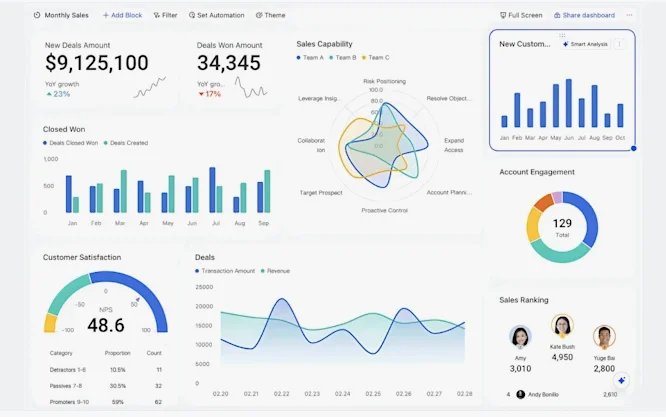
- Track KPIs like open rate, click-through rate (CTR), conversion rate, and unsubscribe rate
- Use AI insights to A/B test subject lines, content, and CTAs
- Refine workflows based on predictive analytics and engagement patterns
Continuous optimization ensures campaigns remain effective and ROI improves over time.
Key Metrics to Track in AI-Powered Email Campaigns
| Metric | Purpose | AI Enhancement |
|---|---|---|
| Open Rate | Measures interest | AI predicts best send time & subject line |
| Click-Through Rate | Measures engagement | AI personalizes CTAs & links |
| Conversion Rate | Tracks goal completion | AI recommends offers & content |
| Bounce Rate | Tracks deliverability issues | AI cleans lists & flags invalid emails |
| Subscriber Segmentation | Identifies audience groups | AI dynamically segments based on behavior |
| ROI | Measures campaign effectiveness | AI predicts high-value segments & optimizes spending |
FAQs About AI Email Marketing
Q1. Can AI completely automate email marketing?
Yes, AI can handle segmentation, personalization, send times, and campaign automation, but human strategy ensures messaging aligns with brand goals.
Q2. What’s the best AI tool for small businesses?
Tools like Mailchimp, HubSpot, ActiveCampaign, and Brevo offer affordable AI-powered features for small teams.
Q3. How accurate are AI predictions for open and click rates?
With enough historical data, AI models can accurately forecast engagement, often outperforming manual predictions.
Q4. Can AI prevent subscriber churn?
Yes, AI can identify disengaged subscribers and trigger re-engagement campaigns before they unsubscribe.
Q5. Is AI email marketing expensive?
Costs vary, but many platforms offer scalable plans and ROI often exceeds initial investment due to increased engagement and conversions.
Final Thoughts
AI-powered email marketing transforms campaigns from generic and manual to personalized, automated, and highly effective. By leveraging AI for segmentation, content personalization, predictive send times, and workflow automation, you can:
- Boost engagement
- Increase conversions
- Save time
- Make data-driven decisions
The key takeaway: integrate AI tools, monitor performance, and continuously optimize campaigns. When done right, AI can make your email marketing smarter, faster, and more profitable.