US Israel Iran Military Conflict Explained Live News
Are you trying to understand what is really happening between Iran, the United States and Israel right now? Wondering how these military strikes and retaliation could affect global security, oil prices and world politics? This detailed guide explains everything clearly so you can understand the situation without confusion.
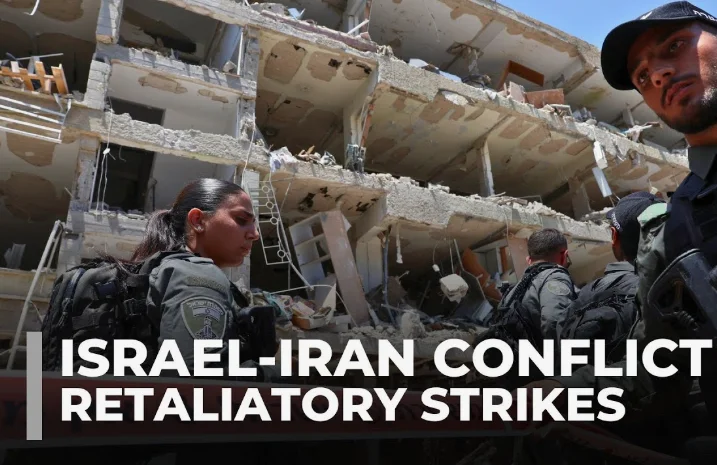
The latest conflict escalation began after coordinated military strikes by the United States and Israel targeting strategic sites inside Iran. Following the operation, Iranian forces launched missile responses toward regional targets, marking one of the most serious geopolitical confrontations of 2026. Statements from former U.S. President Donald Trump calling for regime change further intensified global debate.
This article provides a clear, original analysis of events, military developments, political reactions, and possible future outcomes.
Background Behind the US Israel Military Strikes
The confrontation did not begin suddenly. For months, tensions had increased due to disagreements over Iran’s nuclear program, regional influence, and domestic political unrest.
Key developments leading to strikes included:
- Negotiation deadlocks regarding nuclear restrictions
- U.S. accusations about regional proxy activities
- Israeli security concerns over missile capabilities
- Increased military deployments across the Middle East
Washington officials argued that military action aimed to prevent future security threats rather than initiate war.
Operation Epic Fury Explained
According to official statements, the joint military action was designed to weaken Iran’s strategic infrastructure.
Reported objectives included:
- Disabling air defense systems
- Targeting military command structures
- Limiting missile launch capability
- Sending deterrence signals across the region
Advanced cruise missiles and drone systems were reportedly used to minimize direct troop engagement.
Iran’s Retaliation and Immediate Military Response
Iran responded rapidly following the strikes.
Missile Launches and Counterattacks
Iranian forces launched multiple missile waves toward Israeli territory and U.S. military facilities stationed in the Middle East.
Targets reportedly included:
- Regional military bases
- Naval facilities
- Strategic logistics centers
The retaliation demonstrated Iran’s ability to respond quickly despite initial strikes.
Regional Military Alert Status
Military forces across the Middle East shifted into high alert.
Countries strengthened defenses around:
- Gulf naval routes
- Airspace monitoring systems
- Energy infrastructure sites
The escalation raised fears of wider regional conflict.
Reported Leadership Casualties in Iran
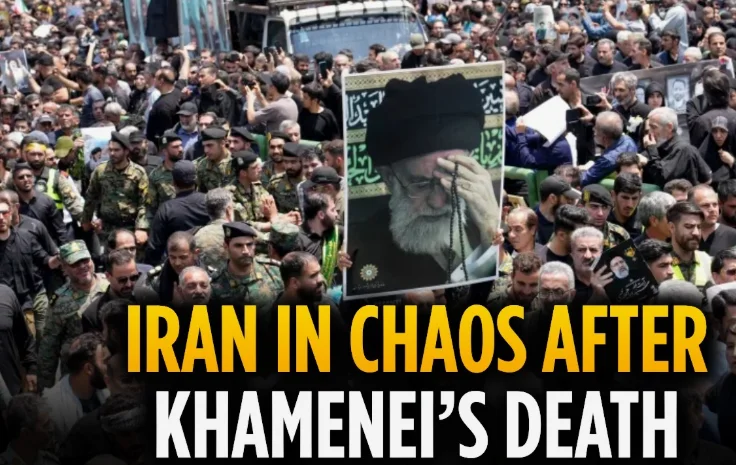
Early intelligence reports suggested senior Iranian military figures may have been killed during the operation.
These included high ranking defense leadership and commanders linked to the Islamic Revolutionary Guard Corps.
Why this matters:
- Leadership losses can disrupt military coordination
- Internal political stability may weaken
- Power struggles may emerge inside Iran
However, such reports often require confirmation due to wartime information uncertainty.
Role of US Leadership and Strategic Command
While operations unfolded, senior U.S. officials monitored developments from secure command centers.
Political figures including Vice President JD Vance reportedly coordinated alongside intelligence and defense officials.
Military decision making during such operations involves:
- Real time intelligence surveillance
- Satellite monitoring
- Cybersecurity coordination
- Diplomatic communication with allies
Modern warfare increasingly relies on technological command rather than large troop movements.
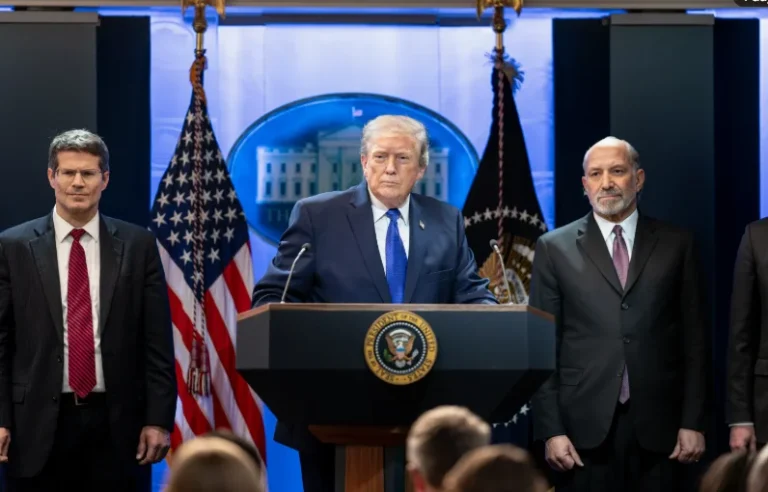
Donald Trump’s Call for Regime Change
One of the most controversial aspects of the crisis was public rhetoric calling for political transformation inside Iran.
Trump urged Iranian military forces to stand down and encouraged civilian political change.
This raised major international questions:
- Is regime change a military objective
- Could external pressure trigger internal revolution
- Would instability worsen regional security
Historically, regime change strategies have produced mixed outcomes across global conflicts.
US Congressional Debate Over War Powers
Inside Washington, lawmakers began debating constitutional authority regarding military engagement.
The United States Congress holds the legal power to declare war, while presidents often initiate military actions under executive authority.
Key issues being debated:
- Limits of presidential war powers
- Need for congressional approval
- Risk of prolonged military involvement
Such debates reflect domestic political divisions during international crises.
Possibility of Leadership Change in Iran
Analysts discussed whether political opposition figures could emerge if instability grows.
One frequently mentioned figure is Reza Pahlavi, son of Iran’s former monarch.
Supporters argue he could act as a transitional leader, while critics warn that Iranian society remains deeply divided over monarchy restoration.
Potential scenarios include:
- Internal reform movement
- Transitional government
- Continued current leadership structure
Ultimately, Iran’s political future depends on internal dynamics rather than external decisions alone.
Civilian Casualty Concerns and Humanitarian Risks
Military operations always raise concerns about civilian safety.
The United States Central Command confirmed investigations into reports of civilian harm.
Humanitarian risks include:
- Damage to civilian infrastructure
- School and hospital vulnerability
- Displacement of populations
- Communication outages
International law requires minimizing civilian harm during military operations.
Global Reactions to the Escalation
The world reacted quickly to the conflict.
Responses from Major Powers
Countries including Russia and China called for restraint and diplomatic solutions.
European allies urged de escalation to prevent a wider war affecting global markets and security alliances.
United Nations Concerns
The United Nations emphasized diplomacy and warned against regional destabilization.
International institutions fear escalation could disrupt trade routes and energy supplies.
Military Technology Used in the Conflict
Modern warfare relies heavily on precision technology.
Reported systems involved:
- Tomahawk cruise missiles
- One way attack drones
- Electronic warfare systems
- Missile defense interception technology
Technology now determines battlefield outcomes more than troop size.
Impact on Global Oil Markets and Economy
Middle East conflicts strongly influence energy prices.
Possible economic effects include:
- Rising oil prices
- Shipping risks in strategic waterways
- Inflation pressure worldwide
- Stock market volatility
Energy markets react immediately to instability near key oil producing regions.
Information Warfare and Media Coverage
Modern conflicts are fought not only militarily but also digitally.
Information spreads through television networks, social platforms, and independent analysts.
Challenges include:
- Misinformation risks
- Propaganda narratives
- Rapid unverified updates
Readers must rely on verified sources and avoid viral rumors.
Timeline of Key Events in the Conflict
| Stage | Event | Strategic Meaning |
|---|---|---|
| Pre Conflict | Diplomatic tensions rise | Negotiations fail |
| Military Action | US Israel strikes launched | Deterrence attempt |
| Retaliation | Iranian missile response | Escalation phase |
| Political Reaction | Regime change debate | Global concern |
| Current Situation | High alert regionally | Uncertain outcome |
Possible Future Scenarios
Limited Military Exchange
Both sides may avoid full war while continuing controlled responses.
Regional Escalation
Proxy conflicts could spread across neighboring regions.
Diplomatic Negotiation Return
International pressure could push renewed talks.
Internal Political Change
Domestic political developments inside Iran could reshape leadership.
The situation remains highly fluid.
How This Conflict Affects Ordinary People Worldwide
Even distant countries feel consequences.
You may notice:
- Fuel price increases
- Currency fluctuations
- Market instability
- Travel disruptions
- Cybersecurity concerns
Globalization connects local economies to international conflicts.
Lessons From Previous Middle East Conflicts
History shows that rapid escalation often leads to prolonged consequences.
Past conflicts demonstrate:
- Military victories rarely solve political disputes alone
- Diplomacy eventually becomes necessary
- Civilian impact shapes global opinion
- Economic pressure influences negotiations
Understanding history helps interpret present events.
What Happens Next
Experts believe the next few weeks are critical.
Watch for:
- Further missile exchanges
- Diplomatic emergency meetings
- Congressional decisions in Washington
- Iranian internal political responses
- International mediation efforts
The direction of events depends on whether escalation or negotiation dominates.
FAQs About the Iran US Israel Conflict
1. Why did the US and Israel strike Iran
The strikes were reportedly aimed at limiting military and nuclear capabilities viewed as security threats by Washington and Israeli leadership.
2. Is a full scale war likely
At present, analysts consider full scale war possible but not inevitable. Many governments are pushing diplomatic solutions to prevent wider conflict.
3. What is meant by regime change
Regime change refers to replacing a country’s governing leadership, either through internal political movements or external pressure.
4. How could this affect oil prices
Conflict near major oil producing regions often causes supply fears, leading to higher global energy prices and transportation costs.
5. Are civilians at risk
Yes. Even precision strikes carry risks of civilian harm, which international organizations closely monitor.
6. Why is Congress debating war powers
The U.S. Constitution gives Congress authority to declare war, creating legal debate when presidents initiate military actions abroad.
7. Could diplomacy still resolve the crisis
Yes. Many international conflicts eventually return to negotiation after periods of military escalation.
8. How reliable are early war reports
Early battlefield information can be incomplete or inaccurate. Confirmation often takes days or weeks.
9. What role does the United Nations play
The United Nations works to encourage ceasefires, negotiations, and humanitarian protections during conflicts.
10. How long could tensions last
Geopolitical tensions can continue for months or years depending on political negotiations and regional developments.
Conclusion
The Iran retaliation following U.S. and Israeli strikes represents one of the most serious geopolitical crises of 2026. Military actions, political rhetoric, and global reactions show how quickly regional tensions can transform into international security concerns. While immediate escalation dominates headlines, long term outcomes will depend on diplomacy, internal political developments, and global cooperation.
For you as a reader, the most important thing is understanding context beyond breaking headlines. Conflicts evolve rapidly, but informed analysis helps separate facts from speculation and prepares you to understand how world events influence economies, politics, and daily life across the globe.