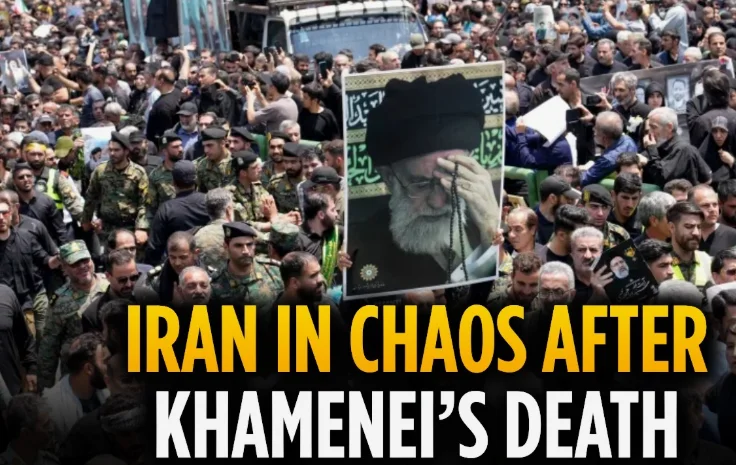
Iranian State Media Confirms Ayatollah Ali Khamenei Death
Are you trying to understand what is really happening in the Iran war news right now? Are you worried about how the reported death of Iran’s supreme leader could change global politics and security? This guide explains the entire situation clearly so you can understand events without confusion or misinformation.
The Middle East entered one of the most dangerous moments in modern history after reports confirmed that Iranian Supreme Leader Ali Khamenei was killed during joint military strikes carried out by the United States and Israel. Statements from U.S. President Donald Trump, Israeli leadership, Iranian state media, and international observers triggered worldwide reactions, military alerts, economic concerns, and fears of wider war.
Timeline of Major Events
| Event | Description | Impact |
|---|---|---|
| Predawn Strikes | U.S. and Israel attack Iran | Major escalation |
| Leadership Targeted | Iranian leaders reportedly killed | Political shock |
| Khamenei Death Confirmed | State media announcement | Leadership vacuum |
| Iranian Retaliation | Missile and drone attacks | Regional alert |
| Global Reaction | UN and allies respond | Diplomatic pressure |
| Oil Market Reaction | Energy prices expected to rise | Economic impact |
Background of the Iran US Israel Conflict
To understand current war news, you first need context.
The tension between Iran, the United States, and Israel did not start suddenly. It has developed over decades involving nuclear concerns, regional proxy conflicts, and geopolitical rivalry.
Key historical factors include:
- Iran’s Islamic Revolution in 1979 changed regional power dynamics
- Longstanding hostility between Iran and Israel
- U.S. sanctions over Iran’s nuclear program
- Military confrontations through proxy groups across the Middle East
- Failed diplomatic negotiations in recent years
The reported killing of the Iranian supreme leader represents the most dramatic escalation since the Iraq War era.
What Happened in the Latest Military Operation
The United States announced large scale combat operations targeting Iranian military infrastructure.
According to official statements:
- Hundreds of targets inside Iran were struck
- Ballistic missile facilities were primary targets
- Nuclear related infrastructure was also attacked
- Israel joined the operation alongside U.S. forces
- Advanced drones, naval missiles, and fighter jets were used
U.S. Defense officials described the operation as one of the most precise aerial campaigns ever conducted.
Israeli leadership claimed senior Iranian political and military officials were also targeted during the opening phase of the attack.
Confirmation of Ali Khamenei’s Death
Iranian state media later confirmed the death of Ali Khamenei, declaring him a martyr and announcing nationwide mourning.
He had ruled Iran since 1989 and was the country’s highest religious and political authority.
His role included:
- Commander in chief of Iran’s armed forces
- Ultimate authority over nuclear policy
- Control over foreign and defense strategy
- Influence over judiciary and intelligence agencies
His death created an immediate leadership vacuum in Iran.
Immediate Iranian Response and Retaliation
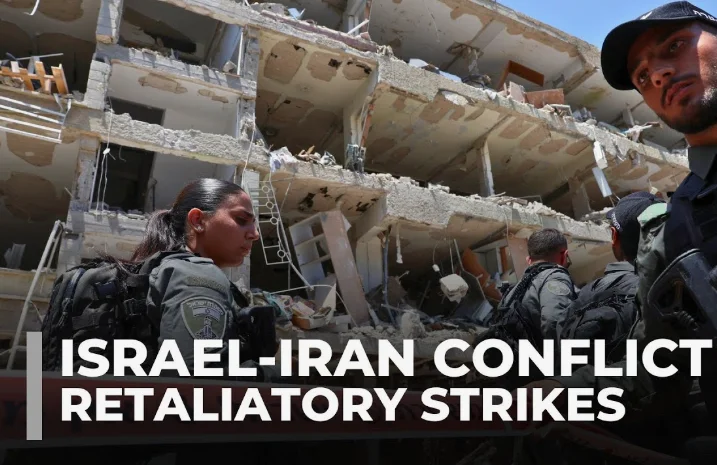
Iran responded rapidly with missile and drone attacks across the region.
Reported actions included:
- Missile launches toward Israel
- Strikes targeting U.S. military bases
- Drone attacks across Gulf countries
- Cyber and military retaliation warnings
Iran’s Islamic Revolutionary Guard Corps stated retaliation would continue.
Regional countries including Bahrain, Kuwait, Qatar, Jordan, and the United Arab Emirates entered high security alert status.
Regional Military Escalation
The Middle East quickly became a multi front security zone.
Key developments:
- Airspace closures disrupted global flights
- Civil defense sirens activated in Gulf nations
- Military bases increased readiness levels
- Embassies issued emergency alerts
Israeli Prime Minister Benjamin Netanyahu defended the operation, saying the strikes were necessary to stop future threats.
Meanwhile, Iranian President Masoud Pezeshkian vowed revenge and announced forty days of national mourning.
Operation Epic Fury Explained
The military campaign, referred to as Operation Epic Fury by U.S. officials, aimed to weaken Iran’s strategic capabilities.
Primary objectives included:
- Destroy missile production facilities
- Reduce naval operational capacity
- Target command structures
- Limit nuclear development capability
Defense Secretary Pete Hegseth called it the most complex precision operation in modern warfare.
How Iran Chooses a New Supreme Leader
Iran has a constitutional process for leadership succession.
The decision now moves to the Assembly of Experts.
Selection Process
- An 88 member clerical body elects the new leader
- Temporary authority transfers to an interim council
- Religious qualifications are evaluated
- Political consensus determines final selection
Experts believe leadership transition could shape Iran’s future direction for decades.
Global Political Reactions
World leaders reacted immediately.
United States Position
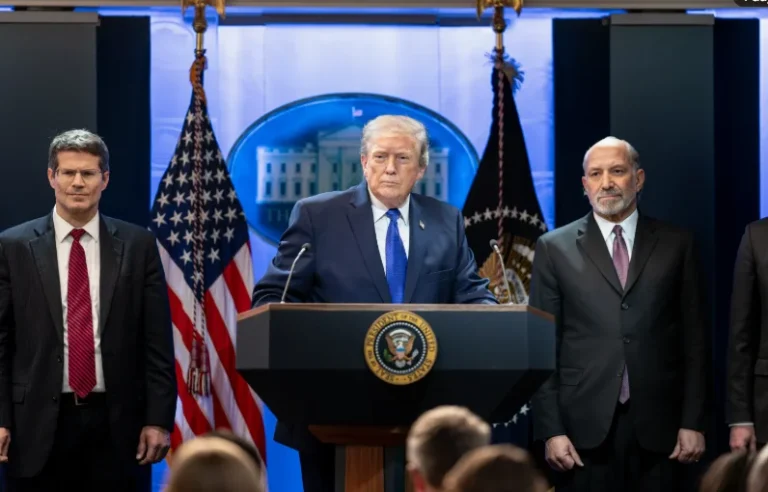
President Donald Trump described the strike as justice and urged Iranians to seek political change.
United Nations Response
UN Secretary General António Guterres warned of dangerous escalation and called for de escalation diplomacy.
European and Asian Concerns
Countries worried about:
- Energy supply disruptions
- Refugee movements
- Terror retaliation risks
- Economic instability
Economic Impact and Oil Market Shock
One of the first global consequences appeared in energy markets.
Analysts predicted:
- Oil prices could rise $15 to $20 per barrel
- Gasoline prices may increase worldwide
- Shipping insurance costs rising
- Stock markets experiencing volatility
Because the Middle East controls a large portion of global oil supply, any war immediately impacts everyday consumers.
Humanitarian Impact of the Conflict
Beyond politics, civilians face the greatest risk.
Reported humanitarian consequences:
- Hundreds killed or injured
- Hospitals overwhelmed
- Infrastructure damage
- Displacement risks
Humanitarian organizations called for protection of civilian populations.
Information Warfare and Media Confusion
During war, information spreads rapidly but not always accurately.
You should understand that:
- Governments release strategic messaging
- Claims require verification
- Social media spreads rumors quickly
- Independent journalism remains essential
International outlets like NBC News, Reuters, and BBC News continue verifying developments before confirmation.
Possible Scenarios for the Future
Experts outline several potential outcomes.
Scenario One Regional War Expansion
Iran could widen attacks across allied groups in Iraq, Syria, Lebanon, or Yemen.
Scenario Two Controlled De escalation
Diplomatic negotiations may restart if military objectives are achieved.
Scenario Three Internal Political Change in Iran
Leadership transition could create internal reform or instability.
Scenario Four Long Term Cold Conflict
Low intensity confrontation may continue without full scale war.
Impact on Global Security
This crisis affects more than the Middle East.
Key global risks include:
- Cyber warfare expansion
- Terror threats worldwide
- Military alliances shifting
- Nuclear nonproliferation challenges
Security agencies worldwide increased monitoring and protective measures.
Why This Moment Is Historically Important
The death of a supreme leader during foreign military action is extremely rare.
This event may reshape:
- Middle East alliances
- U.S. foreign policy doctrine
- Iran’s internal governance
- Global power balance
Historians compare moments like this to turning points that redefine international relations.
What This Means for Ordinary People
You may wonder why this matters to you.
Even if you live far from the Middle East, effects can include:
- Rising fuel prices
- Economic uncertainty
- Travel disruptions
- Increased global security measures
War today affects interconnected global systems.
How to Follow War News Responsibly
As a website owner or reader, follow these principles:
- Verify news from multiple sources
- Avoid spreading unconfirmed claims
- Focus on factual reporting
- Update information regularly
- Avoid sensational headlines
Responsible journalism builds trust and long term traffic.
Frequently Asked Questions
1. Is Ali Khamenei officially confirmed dead
Iranian state media reported confirmation, but international verification continues as intelligence assessments develop.
2. Why did the U.S. and Israel attack Iran
Officials stated the goal was to destroy missile and nuclear capabilities believed to threaten regional security.
3. Could this lead to World War Three
Experts say escalation risk exists, but diplomatic pressure still aims to prevent global war.
4. Who becomes Iran’s next supreme leader
Iran’s Assembly of Experts selects the successor according to constitutional procedures.
5. Why are oil prices rising
Middle East conflicts threaten supply routes, causing markets to anticipate shortages.
6. Are civilians in danger
Yes, conflicts increase humanitarian risks including displacement and infrastructure damage.
7. How is Iran retaliating
Iran launched missiles and drones targeting Israel and U.S. military positions across the region.
8. Is travel to the Middle East safe now
Many countries issued travel warnings and airspace restrictions due to security risks.
9. Can this conflict end quickly
Wars rarely end immediately. Negotiations and military outcomes will determine duration.
10. How should news websites cover war updates
Publish verified facts, avoid copied content, and provide clear context for readers.
Final Thoughts
The reported death of Ali Khamenei marks a turning point in modern geopolitics. The conflict involving the United States, Israel, and Iran has already reshaped regional security, global markets, and diplomatic relations.
As you follow live updates, remember that events are still evolving. War situations change hour by hour. Staying informed through verified information, balanced analysis, and responsible reporting is the best way to understand this historic moment.