How to Automate Lead Generation Using AI Workflows
Are you Struggling to find qualified leads consistently? Want an automated system that captures and nurtures leads while you focus on closing deals? If yes, then AI-powered lead generation workflows are exactly what you need. In today’s competitive market, manually sourcing leads is slow, inefficient, and often ineffective.
By leveraging artificial intelligence, you can automate lead capture, scoring, segmentation, and nurturing making your sales process faster, smarter, and more precise. In this article, we’ll explore how to automate lead generation using AI workflows, step by step, including tools, strategies, key metrics, a comparison table, and FAQs to help you maximize results.
📌 What Is AI-Driven Lead Generation?
AI lead generation refers to the process of using machine learning and automation tools to identify, capture, qualify, and nurture potential customers. Unlike traditional methods, AI workflows analyze large volumes of data to:
- Predict which leads are most likely to convert
- Automate follow-up emails and messages
- Score leads based on behavior and engagement
- Segment leads intelligently for personalized campaigns
The result? A streamlined sales pipeline that saves time and boosts revenue.
🧠 Why Businesses Need AI Workflows for Lead Generation
Manual lead generation is time-consuming and prone to errors. AI workflows solve key challenges:
- High Volume Handling – AI can analyze thousands of leads across multiple platforms simultaneously.
- Better Lead Quality – Machine learning models identify the most promising prospects.
- Faster Response Time – Automated emails, chatbots, and alerts ensure immediate engagement.
- Personalized Engagement – AI suggests tailored messages based on lead behavior.
- Data-Driven Decisions – Continuous analytics improve targeting and conversion rates.
For small businesses, B2B companies, and e-commerce stores, AI automation makes lead generation efficient and scalable.
🏗️ Step-by-Step Guide to Automating Lead Generation Using AI Workflows
Step 1: Define Your Lead Generation Goals
Ask yourself:
- Are you targeting B2B, B2C, or both?
- Do you want to focus on cold leads, warm leads, or returning customers?
- What metrics define a qualified lead for your business?
Clear goals help structure AI workflows effectively.
Step 2: Identify Data Sources
AI workflows depend on quality data. Typical sources include:
- CRM data: Salesforce, HubSpot, Zoho CRM
- Website analytics: Google Analytics, Hotjar
- Social media platforms: LinkedIn, Facebook, Instagram
- Email marketing platforms: Mailchimp, ActiveCampaign
- Third-party databases: ZoomInfo, Clearbit
Step 3: Choose AI Tools for Lead Generation
| Tool | Primary Use | AI Capabilities | Best For |
|---|---|---|---|
| HubSpot AI CRM | Lead management | Predictive lead scoring, workflow automation | SMBs & startups |
| Salesforce Einstein | Sales automation | Predictive analytics, AI insights | Enterprise B2B |
| Zoho CRM with Zia AI | CRM automation | Lead scoring, behavior prediction | Small to medium businesses |
| LinkedIn Sales Navigator + AI | Prospecting | AI recommendations, lead suggestions | B2B sales teams |
| Drift | Conversational marketing | AI chatbots, automated follow-ups | Website lead capture |
| ActiveCampaign | Email & marketing automation | Predictive sending, lead scoring | Multi-channel campaigns |
Step 4: Build Your AI Lead Workflow
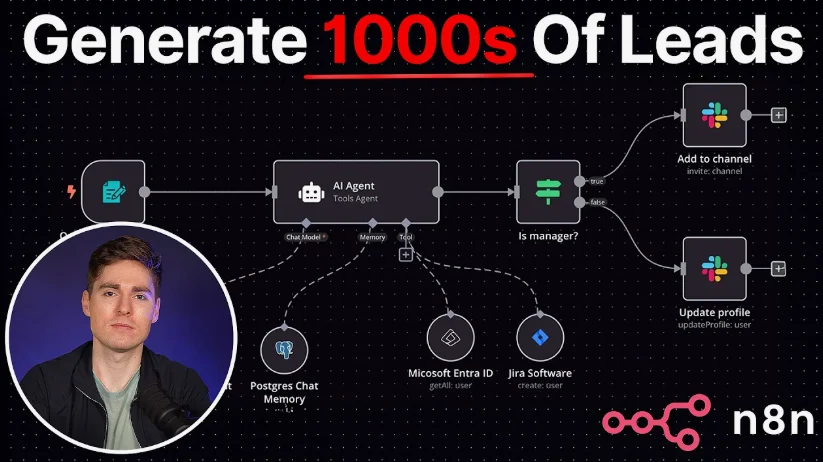
A typical AI workflow includes:
- Lead Capture: Use AI chatbots, web forms, landing pages, and social media to collect leads.
- Lead Scoring: AI analyzes behavior, demographics, and engagement to rank leads.
- Lead Segmentation: Automatically categorize leads based on preferences, source, or intent.
- Automated Follow-Ups: AI sends emails, SMS, or in-app messages tailored to lead behavior.
- Analytics & Optimization: Continuously analyze workflow performance and improve targeting.
Step 5: Integrate AI Workflows with Dashboards
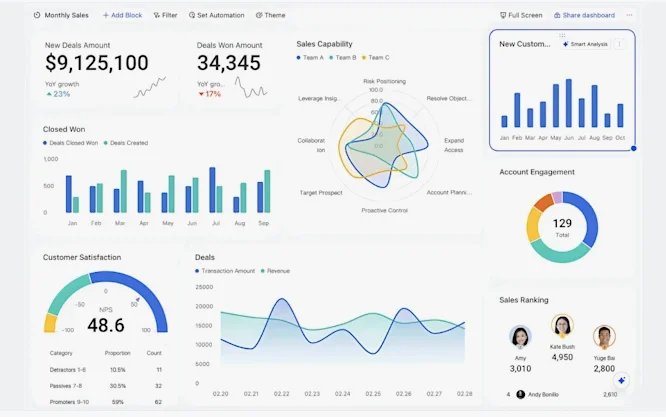
Linking AI lead workflows to a smart business dashboard allows:
- Real-time monitoring of lead quality and conversion
- Tracking engagement metrics per channel
- Automated alerts for high-value leads
- Data-driven adjustments for campaigns
Example Metrics on Dashboard:
| Metric | Purpose |
|---|---|
| Number of Leads Captured | Track lead inflow |
| Conversion Rate | Measure qualified leads turning into customers |
| Lead Source Performance | Evaluate channels effectiveness |
| Engagement Score | Determine interaction quality |
| Lead Response Time | Ensure timely follow-ups |
Step 6: Test and Optimize
- A/B test emails, chat messages, and workflows
- Adjust scoring models for accuracy
- Analyze lead funnel efficiency
- Continuously improve AI algorithms for better predictions
Benefits of AI Workflow Automation for Lead Generation
- Time Savings – Reduces manual lead nurturing by automating repetitive tasks.
- Improved Lead Quality – AI identifies high-value prospects faster.
- Enhanced Personalization – Customized communication increases engagement.
- Predictive Insights – Anticipates buyer behavior and sales opportunities.
- Scalability – Handles increased lead volume without expanding team size.
FAQs About AI Lead Generation Workflows
Q1. Can AI replace sales teams entirely?
No, AI complements sales teams by handling repetitive tasks and highlighting high-potential leads, allowing human teams to focus on closing deals.
Q2. Which businesses benefit most from AI lead generation?
B2B companies, SaaS platforms, e-commerce stores, and service providers benefit most from AI-powered workflows.
Q3. Is AI lead generation expensive?
Costs vary by tool and business size. Many AI tools like HubSpot, Zoho, and Drift offer scalable pricing for small businesses.
Q4. How accurate is AI lead scoring?
When trained on sufficient historical data, AI lead scoring can predict conversion likelihood with high accuracy, often outperforming manual scoring.
Q5. Can AI automate multi-channel lead nurturing?
Yes, AI workflows can send automated emails, SMS, push notifications, and even chatbot messages across multiple channels.
Final Thoughts
Automating lead generation using AI workflows is no longer optional; it’s essential for businesses that want consistent, high-quality leads without overloading their sales teams. By integrating AI tools, predictive scoring, segmentation, and dashboards, you can transform your lead pipeline into a smart, self-optimizing system.
The key takeaway: define goals, choose the right AI tools, implement workflows, monitor performance, and continuously optimize. With AI doing the heavy lifting, your sales team can focus on closing deals and growing your business.